
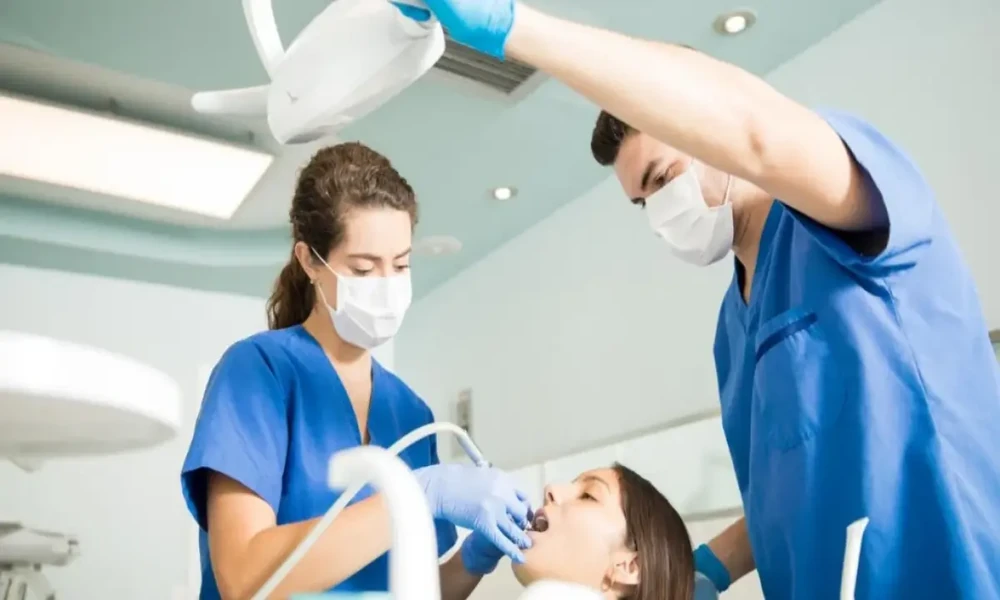
You might be wondering if all the effort you pour into your family’s dental visits with a dentist in Hartford, CT is actually doing anything. You schedule checkups, remind everyone to brush, juggle school calendars and work meetings, and still worry when you see a tiny spot on a tooth or your child complains of “mouth pain.” It can feel like you are doing everything right, yet never quite sure if it is working.end
At the same time, you may remember what it was like growing up, when dental care often meant waiting until something hurt and then fixing it. Today you are trying to do the opposite. You are choosing regular cleanings, fluoride, sealants, and checkups. You are choosing prevention. The question is, how do you know if this approach is truly protecting your family’s health, not just their smiles.
Here is the short version. When preventive dentistry is working, you see fewer cavities and emergencies, your kids form healthy habits that feel normal instead of forced, and your whole family spends less time and money in the dental chair. Those are the three signs to watch for. Each one tells you that this choice is paying off in ways that go far beyond teeth.
How can you tell if preventive dental care is really reducing problems?
Think about the last couple of years. Have you had fewer “surprise” dental visits. Fewer late night pain calls. Fewer school days missed because of toothaches. If so, that is one of the clearest signs that your focus on preventive family dentistry is working.
The problem for many families is that dental issues often start quietly. Small cavities do not always hurt. Early gum irritation rarely grabs attention. So it is easy to think everything is fine, skip a cleaning, and then get hit with a bigger problem months later. That is usually when the stress spikes. You scramble to find an appointment, worry about the cost, and may feel guilty for not catching it sooner.
When you stay consistent with preventive care, the story slowly changes. Regular exams catch tiny issues long before they become painful. Professional cleanings remove buildup that brushing and flossing miss. Simple treatments like fluoride and sealants strengthen teeth and shield them from decay. Over time, you start to notice a pattern. Fewer fillings. Fewer “urgent” calls. More routine, calm visits.
If you have children, you might notice this shift even more. Many parents who commit to early prevention see that their kids reach their teen years with fewer cavities than they ever had themselves. That difference is not an accident. It is the result of small, steady choices that quietly add up.
Are your kids’ habits changing because of preventive dentistry?
Another powerful sign that preventive care is improving your family’s health is what happens at home, between visits. Dental health is not just about what happens in the chair. It is about what your children do in the morning before school and at night before bed.
Think about your daily routines. Do your kids brush without a battle most days. Are they starting to understand which snacks are “tooth friendly” and which ones are “sometimes treats.” Do they talk about sugar bugs or “protecting their grown up teeth” because the hygienist explained it in a way that made sense to them. That is preventive dentistry working in the background.
Guidance from your family dentist, combined with your consistency at home, helps turn brushing, flossing, and smarter snacking into normal behavior. Over time, these routines protect more than teeth. Poor oral health has been linked to issues like difficulty eating, sleep problems, and trouble concentrating in school. Strong habits reduce those risks and support your child’s overall development.
If you want extra tools to support those habits, you can use trusted resources that explain things in simple, kid friendly ways. For example, the CDC’s tips on oral health for children can help you reinforce what your dentist is already teaching.
Are you seeing fewer cavities and stronger protection from early treatments?
The third sign that preventive care is improving your family’s health shows up in your dental records. When prevention is working, you see fewer new cavities, stronger enamel, and more “everything looks good” comments from your dentist.
Some of the most effective preventive tools are simple. Fluoride helps rebuild weak spots in enamel. Sealants act like a shield over the chewing surfaces of back teeth, where food and bacteria like to hide. Research has shown that children with sealants have far fewer cavities in those protected teeth. You can learn more about how sealants work from the CDC’s overview of dental sealants.
When your family uses these services, your dentist is not just treating today’s mouth. They are shaping your future health. Fewer cavities now can mean fewer crowns, root canals, and extractions later. That translates to less pain, less time off work and school, and lower long term costs.
To make this more concrete, it can help to compare what life looks like with strong prevention versus a “wait until it hurts” approach.
| Aspect | Strong Preventive Care | “Fix It When It Hurts” Approach |
|---|---|---|
| Number of dental visits | Mostly planned checkups and cleanings | Irregular visits with more emergencies |
| Common treatments | Cleanings, fluoride, sealants, small fillings | Larger fillings, crowns, extractions, root canals |
| Emotional impact on kids | Visits feel routine and predictable | Visits often linked to pain and fear |
| Time and cost over several years | Steady, usually lower overall cost and fewer missed days | Higher chance of big, unexpected bills and missed work or school |
| Long term oral health | More natural teeth kept into adulthood | Higher risk of early tooth loss and complex treatment |
So, where does that leave you. If you are seeing more of the “strong preventive care” column in your own life, that is a good sign that your commitment to family dental prevention is paying off.
What practical steps can you take to strengthen preventive care now?
If you are not quite where you want to be yet, you are not alone. The good news is that a few focused changes can shift your family toward better oral and overall health.
1. Lock in a predictable schedule with your family dentist
Pick a regular pattern for checkups, usually every six months, and treat those appointments like you would a medical exam or school commitment. Many families find it easier to book the next visit before leaving the office. Some offices also send text or email reminders, which can be a relief when life gets busy.
Ask your dentist to walk you through each family member’s risk level. Kids with a history of cavities, orthodontic treatment, or certain medical conditions may need closer monitoring. When you know the plan, you feel less in the dark and more in control.
2. Build simple, realistic home routines that your kids can actually follow
Perfect brushing is not the goal. Consistent brushing is. Aim for two times a day with fluoride toothpaste. For younger children, you may need to brush for them or finish the job after they try. As they grow, shift into “coach” mode. Stand nearby, encourage them, and give gentle pointers.
Pair brushing with something that already happens every day. For example, brushing right after putting on pajamas at night, and right after breakfast in the morning. If you need guidance on age specific routines, the American Academy of Pediatrics offers useful oral health resources for parents that match what many family dentists recommend.
3. Ask about preventive treatments that fit your child’s age and risk
During your next visit, talk with your dentist about which preventive options make sense now. This might include fluoride treatments, sealants on permanent molars, or extra cleanings during orthodontic treatment. Ask them to explain the benefits in plain language and how each choice affects both dental health and your budget.
When you understand why a treatment is recommended, you can prioritize what matters most for your family. Over time, these targeted decisions support a stronger, more resilient mouth for each person you care for.
How can you feel more confident about your family’s dental future?
You are already doing something important by paying attention and asking whether your efforts are working. That awareness is the first step in protecting your family’s health. As you notice fewer emergencies, stronger habits at home, and better checkup results, you can trust that your focus on preventive dentistry for families is making a real difference.
You do not have to be perfect. You just need to be consistent, ask questions when you are unsure, and work with a family dentist who treats you like a partner. With that support, every checkup becomes more than a quick cleaning. It becomes another quiet step toward a healthier, more comfortable future for you and the people you love.