
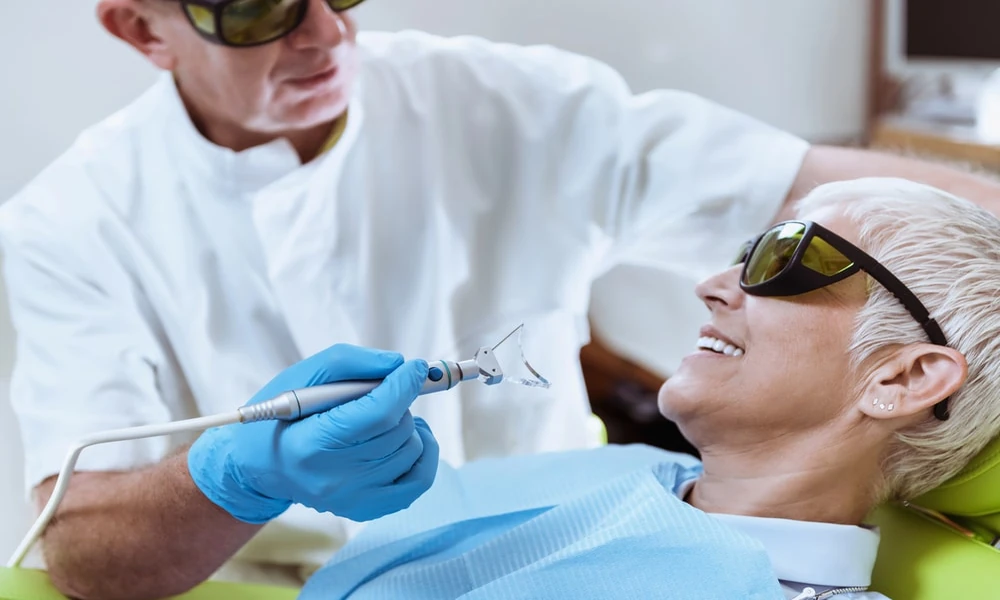
You might be noticing small changes that are easy to brush off at first. Maybe your gums feel more tender when you floss, maybe dry mouth is making meals less pleasant, or maybe you have started to worry that one loose tooth could turn into a bigger problem. That kind of worry can sit quietly in the background, and over time it can affect how you eat, how you speak, and even how often you smile. The good news is that many of these concerns can be managed early, and that is where preventive care makes such a difference. In simple terms, regular checkups, cleanings, and daily habits can help protect comfort, function, and confidence as you age. If you are looking for compassionate dental care near Tigard, OR, getting started with preventive care can be a meaningful next step.
A lot of people think dental problems are just part of getting older, but that is not the full story. Age can raise certain risks, yet many issues respond well to early care. When plaque builds up, gums can become inflamed. When medications cause dry mouth, the risk of decay can rise. When dental visits are delayed because nothing hurts yet, small concerns can become harder and more expensive to treat. So, where does that leave you? It leaves you with a real chance to stay ahead of problems instead of reacting to them later.
Why can preventive dental care matter more as you get older?
As the years pass, your mouth often has more to manage. Fillings may wear down, gums may recede, and health conditions like diabetes or arthritis can affect oral care. Even taking several medications at once can change the balance in your mouth. According to the National Institute on Aging, older adults should pay close attention to brushing, flossing, denture care, and signs like mouth pain, sores, or bleeding gums. Their guidance on taking care of your teeth and mouth makes one thing clear. Daily care and regular dental visits work together.
That matters because oral health is not only about teeth looking clean. It affects eating, speaking, and social comfort. If chewing becomes painful, you may avoid certain healthy foods. If your breath changes or your smile feels less secure, you may hold back in conversations or photos. Preventive dentistry for seniors helps reduce the chance that a small issue will quietly grow into something that changes daily life.
What can happen when routine dental care gets pushed aside?
Sometimes the delay is practical. Transportation gets harder. Retirement budgets feel tighter. A person may think, “If I am not in pain, I can wait.” That is understandable, but it can create a costly cycle. Plaque and tartar do not pause just because life gets busy. Gum disease can progress with few early symptoms, and untreated decay can lead to infection, tooth loss, or trouble wearing dentures comfortably.
The Centers for Disease Control and Prevention explains that tooth loss in adults is often linked to decay and gum disease. That is important because losing even one tooth can shift bite pressure and place more strain on nearby teeth. It can also affect speech and confidence in subtle ways that add up over time.
What if you are caring for a parent or grandparent and you are seeing these signs now? Maybe they are eating more slowly, avoiding crunchy foods, or declining social outings. Those changes may seem unrelated to dental health at first, yet they often connect back to comfort in the mouth. Senior oral health prevention is not just about avoiding treatment. It is about protecting quality of life.
How does preventive dentistry compare with waiting until there is a problem?
It helps to see the difference clearly. A family dentist can often spot early gum irritation, cracked fillings, worn enamel, denture fit issues, and signs of dry mouth before they become severe. That kind of early attention tends to mean less discomfort, fewer urgent visits, and more options.
| Approach | What It Usually Includes | Likely Short Term Cost | Possible Long Term Impact |
|---|---|---|---|
| Preventive dental visits | Cleanings, exams, X rays when needed, gum checks, denture checks, dry mouth guidance | Lower and more predictable | Better chance of keeping natural teeth, catching issues early, and avoiding urgent care |
| Waiting for symptoms | Care starts after pain, swelling, looseness, or breakage appears | May seem lower at first | Higher chance of root canals, extractions, tooth replacement, and disrupted eating or speaking |
The CDC also shares oral health tips for adults that support this approach, including brushing twice a day with fluoride toothpaste, cleaning between teeth, limiting sugar, and seeing a dentist regularly. Those habits sound simple, and they are, but simple does not mean minor. Repeated each day, they create protection.
What practical steps can you take right now to protect a confident smile?
1. Pay attention to small changes. Bleeding gums, dry mouth, soreness under dentures, bad breath that lingers, or a tooth that feels different when you bite are worth noticing. Early signs are often quiet. Writing them down before a dental visit can help you explain what has changed.
2. Build a routine that fits your real life. If arthritis makes flossing hard, ask about easier tools. If medications leave your mouth dry, keep water nearby and ask your dentist what products may help. If memory is a challenge, place oral care items where they are easy to see. Good habits work best when they are realistic.
3. Keep regular visits with a family dentist. This is one of the most effective ways to support preventive dental care. A family dentist can track changes over time, clean areas that are hard to reach at home, and help you plan care before a problem becomes urgent. That kind of steady support often brings peace of mind as much as it brings cleaner teeth.
Can confident smiles really last longer with preventive care?
Yes, and not because aging stops, but because attention changes outcomes. When you care for your mouth early and consistently, you give yourself a better chance to keep eating comfortably, speaking clearly, and smiling without second guessing it. That confidence matters at every age. It matters at family dinners, at church, on walks with friends, and in the quiet moments when you simply want to feel like yourself.
If you or someone you love has been putting off dental care, this can be a gentle place to start. A trusted Family Dentist can help you understand what is happening now and what steps may help next. You do not have to wait for pain to make the decision for you.

Clare Louise is a health and lifestyle writer who focuses on wellness habits, nutrition trends, and balanced living. She creates informative content that helps readers make smarter health and lifestyle choices.