
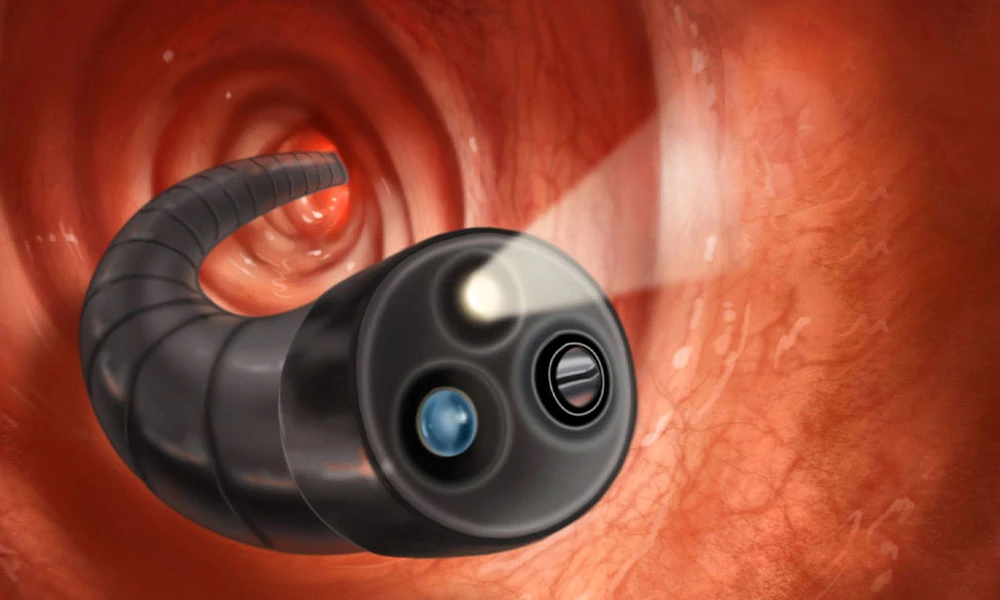
The idea of having a camera inserted into the colon can understandably make some people nervous. Concerns about bowel preparation, discomfort, sedation, embarrassment, and possible results may cause people to postpone an important health check.
However, many common fears are based on assumptions rather than what typically happens during the procedure. Understanding what to expect can make the experience feel more manageable and help people make informed decisions about colorectal cancer screening.
Fear 1: “The Procedure Will Be Extremely Painful”
One of the most common concerns about colonoscopy procedures is pain. Although some people may experience pressure, cramping, or bloating during the examination, sedation is commonly used to improve comfort. The amount and type of sedation can vary depending on the patient and healthcare setting.
During a colonoscopy exam, the doctor gently guides a flexible colonoscope through the rectum and colon. Air or carbon dioxide may be introduced to expand the colon and improve visibility, which can cause temporary cramping or a feeling of fullness.
Fear 2: “The Bowel Preparation Will Be Impossible”
Bowel preparation is often the part people worry about most. It requires emptying the colon so the doctor can clearly see its lining. Preparation commonly involves dietary changes and drinking a prescribed bowel-cleansing solution.
While the process can be inconvenient, preparation is an important part of the examination. Inadequate cleansing can make it harder to identify abnormalities and may affect the quality of the examination.
Following the healthcare team’s instructions carefully can make the preparation more straightforward. Ask your provider about the specific diet, medications, fluids, and timing you should follow.
Fear 3: “I Will Be Awake and Uncomfortable the Whole Time”
Many people assume they will remain fully conscious throughout the examination. In reality, sedation is commonly offered or recommended for colonoscopy, although the approach differs between patients and facilities.
Sedation can make you relaxed and drowsy, and some people remember little or none of the procedure. Because sedatives can temporarily affect coordination and judgment, patients generally need someone to take them home afterward.
Before the procedure, ask what type of sedation is planned and what restrictions will apply afterward.
Fear 4: “It Is Only Useful for Finding Cancer”
Another misconception is that a colonoscopy is simply a test for detecting colorectal cancer. It can do more than that.
During the examination, doctors can identify polyps and other abnormalities. If appropriate, polyps can be removed during the same procedure and sent to a laboratory for assessment. This means the examination can help identify potentially precancerous growths before they develop into cancer.
This preventive capability is one reason colonoscopy remains an important option within colonoscopy screening.
Fear 5: “A Colonoscopy Is Too Risky”
No medical procedure is completely free of risk, but colonoscopy is generally considered safe. Possible complications include bleeding, particularly after a polyp is removed, and perforation of the colon. Reactions to sedation are another potential risk. Serious complications are uncommon, but individual risk can vary.
Your doctor can discuss your personal health history, medications, and other factors that may affect your risk. This is particularly important if you take blood-thinning medication or have significant medical conditions.
Fear 6: “I Am Too Embarrassed to Have the Examination”
Embarrassment is another reason some people delay screening. Concerns about exposing the body or discussing bowel habits can feel uncomfortable, especially during a first examination.
Healthcare professionals perform these procedures routinely and are trained to maintain privacy and dignity. Patients are typically given appropriate clothing and are monitored throughout the procedure.
Remember that discussing bowel symptoms and undergoing an examination is a normal part of healthcare. Being uncomfortable about the subject should not prevent you from asking questions about your health.
Fear 7: “If I Feel Healthy, I Don’t Need Screening”
Feeling well does not necessarily mean colorectal cancer or precancerous polyps are absent. Screening is intended to identify problems before symptoms develop.
Current American Cancer Society guidance recommends regular colorectal cancer screening for average-risk adults beginning at age 45, continuing through age 75 for those in good health with a life expectancy of more than 10 years. People aged 76 to 85 are advised to discuss whether screening remains appropriate with their healthcare provider.
Screening recommendations can differ according to personal risk factors, medical history, and local guidelines.
Conclusion
Many concerns surrounding colonoscopy screening come from uncertainty about the preparation and procedure itself. Although bowel preparation can be inconvenient and complications are possible, the examination is generally considered safe and is commonly performed with sedation to improve comfort.
Understanding what happens before, during, and after the procedure can make the experience less intimidating. If fear is preventing you from getting recommended screening, speak openly with your healthcare provider about your concerns and the screening options available to you.
