
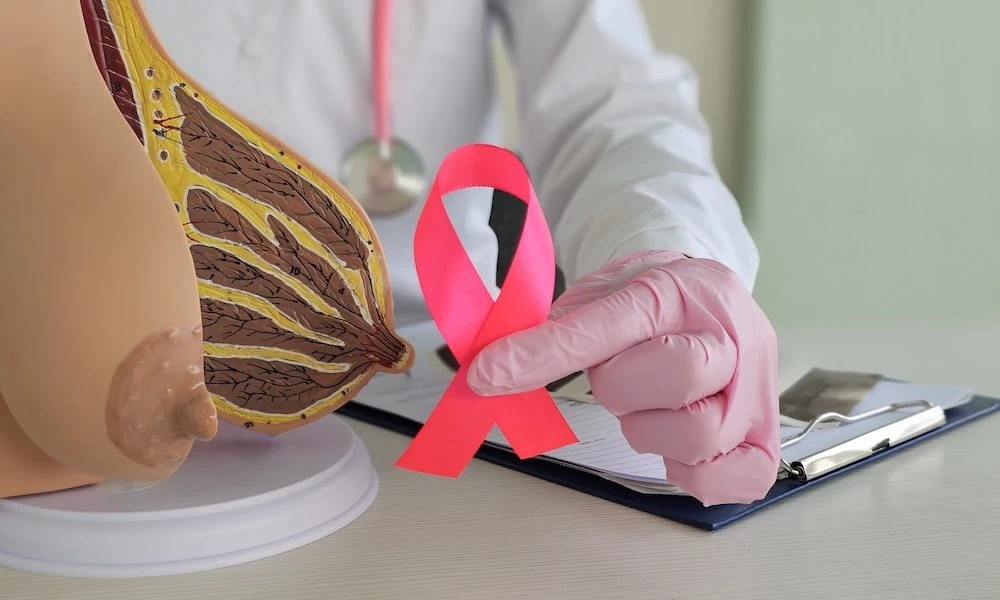
Breast cancer remains one of the most diagnosed cancers among women in the United Arab Emirates, with treatment approaches evolving significantly over the past two decades. The shift from radical surgical procedures to more targeted, tissue-preserving interventions has transformed outcomes for patients, while comprehensive rehabilitation programs have become essential components of the recovery journey. For patients navigating diagnosis and treatment decisions in Abu Dhabi and the wider UAE, understanding both surgical advances and post-treatment rehabilitation can shape long-term quality of life.
The Evolution of Breast Cancer Surgery
Surgical treatment for breast cancer has undergone a profound transformation since the early 2000s. Where mastectomy was once the standard approach for nearly all cases, current practice emphasizes preservation whenever oncologically safe. This change stems from decades of clinical research demonstrating that breast-conserving techniques, when combined with radiation therapy, produce survival rates equivalent to more extensive surgery for early-stage cancers. The psychological and physical benefits of tissue preservation have made these approaches increasingly preferred by both surgeons and patients.
Modern surgical planning relies heavily on pre-operative imaging and staging. Magnetic resonance imaging and advanced ultrasound techniques allow surgical teams to map tumor extent with precision, determining whether a lumpectomy or partial mastectomy can achieve clear margins. Sentinel lymph node biopsy has replaced routine axillary dissection in many cases, reducing the risk of lymphedema and preserving arm function. These refinements reflect a broader move toward minimizing treatment burden without compromising cure rates.
Tissue-Preserving Approaches and Patient Selection
Not every patient qualifies for breast-conserving procedures, and candidacy depends on multiple factors including tumor size relative to breast volume, location within the breast, and whether cancer cells are found at the tissue margins after initial removal. Multifocal disease, where cancer appears in several areas of the breast, may require mastectomy to ensure complete removal. Patients with genetic mutations such as BRCA1 or BRCA2 often choose bilateral mastectomy to reduce future cancer risk, even when a smaller procedure would be technically feasible.
For appropriate candidates in the UAE, multi-specialty hospitals offer expertise in these surgical techniques. Cleveland Clinic Abu Dhabi provides advanced cancer care including options with a breast conserving surgery specialist who works within integrated oncology teams to tailor treatment plans. The decision-making process typically involves medical oncologists, radiation oncologists, and plastic surgeons when reconstruction is considered, ensuring patients understand both immediate surgical choices and long-term implications.
Oncoplastic surgery represents a hybrid approach that combines cancer removal with plastic surgery techniques to reshape the breast during the same procedure. This method allows surgeons to remove larger volumes of tissue while maintaining aesthetic outcomes, expanding the pool of patients who can avoid mastectomy. The technique requires specialized training and coordination between surgical oncology and plastic surgery disciplines, which is increasingly available at major cancer centers in the region.
Post-Surgical Recovery and Physical Rehabilitation
Surgery marks the beginning rather than the end of the breast cancer treatment journey. Physical rehabilitation becomes particularly important for patients who undergo axillary lymph node dissection or who develop complications such as cording, a condition where rope-like structures form under the skin and restrict arm movement. Physical therapists specializing in oncology rehabilitation guide patients through exercises to restore shoulder range of motion, rebuild strength, and prevent or manage lymphedema.
Early mobilization protocols now begin within days of surgery rather than weeks. Patients receive instruction on gentle arm movements and stretching exercises that progress as healing allows. For those at risk of lymphedema, compression garments and manual lymphatic drainage techniques form part of lifelong management strategies. The goal extends beyond physical recovery to include returning to activities that define quality of life, whether that involves returning to work, resuming sports, or simply being able to lift grandchildren without pain or restriction.
The Role of Comprehensive Rehabilitation Centers
Beyond immediate post-operative care, many breast cancer patients benefit from structured rehabilitation programs that address the cumulative effects of surgery, chemotherapy, and radiation. Fatigue, peripheral neuropathy, and cognitive changes collectively known as “chemo brain” can persist for months or years. Rehabilitation centers in Abu Dhabi have expanded services to meet these needs, offering programs that integrate physical therapy with nutritional counseling, psychological support, and pain management. Facilities detailed in guides to rehabilitation centers and hospitals in Abu Dhabi provide these multidisciplinary approaches tailored to cancer recovery.
Exercise physiology has emerged as a critical component of cancer rehabilitation. Supervised exercise programs during and after treatment have been shown to reduce fatigue, improve cardiovascular fitness, and may even influence recurrence risk through mechanisms still being studied. These programs differ substantially from general fitness classes, with modifications for patients managing treatment side effects, surgical limitations, or comorbid conditions such as cardiac disease or osteoporosis.
Psychosocial Support and Long-Term Wellness
The emotional toll of breast cancer diagnosis and treatment receives increasing recognition within comprehensive care models. Anxiety about recurrence, changes in body image, relationship strain, and fear of mortality affect most patients at some point in their journey. Access to counseling services, support groups, and psychiatric care when needed should be considered standard rather than optional elements of cancer care.
Survivorship clinics have developed in response to the growing population of people living years beyond their cancer diagnosis. These clinics focus on monitoring for late effects of treatment, managing chronic symptoms, and coordinating care between oncology and primary care providers. The transition from active treatment to surveillance can be disorienting for patients accustomed to frequent appointments and scans, making structured survivorship programs valuable for maintaining continuity.
International Standards and Regional Excellence
Healthcare in the UAE increasingly aligns with international benchmarks for cancer care quality. Accreditation by bodies such as the Joint Commission International signals adherence to protocols for everything from pathology reporting to surgical safety checklists. While orthopedics represents a different specialty, the principles of excellence apply across medical disciplines, with institutions like Hospital for Special Surgery recognized as world leaders in orthopedics, demonstrating how specialized expertise drives outcomes in complex medical care.
The concentration of advanced cancer care in Abu Dhabi reflects both investment in medical infrastructure and recruitment of internationally trained specialists. For UAE residents, this means access to treatment options and surgical techniques that match those available in major cancer centers worldwide. The integration of research protocols and clinical trials provides additional options for patients with advanced or recurrent disease, though participation requires careful discussion of potential benefits and risks.
Making Informed Treatment Decisions
Patients facing breast cancer surgery should approach the decision-making process as active participants rather than passive recipients of care. Second opinions remain appropriate and often valuable, particularly when recommendations differ from expectations or when choosing between equivalent options such as lumpectomy with radiation versus mastectomy. Understanding the specific characteristics of your cancer, including hormone receptor status, HER2 status, and grade, helps contextualize why certain treatments are recommended.
Questions to raise with your surgical team include the expected cosmetic outcome, whether reconstruction is recommended immediately or can be delayed, the likelihood of needing additional surgery if margins are positive, and what recovery timeline to expect realistically. Discussions about fertility preservation should occur before any treatment begins for premenopausal women, as chemotherapy and hormonal therapies can affect reproductive capacity. These conversations require time and should not be rushed, even when the urgency of diagnosis creates pressure to proceed quickly.
The landscape of breast cancer treatment in the UAE offers patients access to sophisticated surgical techniques, comprehensive rehabilitation services, and multidisciplinary care teams. Success depends not only on the technical skill of surgeons but on the coordination of services across the continuum from diagnosis through long-term survivorship. As treatment approaches continue to evolve, the emphasis on personalized care plans that balance cancer control with quality of life remains central to achieving the best possible outcomes for each individual patient.
