
A root canal fee is not really a price for a procedure. It is closer to a charge for time, precision and risk, and those three things change from tooth to tooth far more than most people expect. That is why a question about root canal cost singapore rarely gets a single number in reply. A clearer way to understand the spread is to walk through the appointment stage by stage and notice where a simple tooth moves quickly and a difficult one slows everything down. What follows is general guidance only; the figure for your own mouth depends on what the dentist finds.
Stage One: Finding Out What Is Wrong
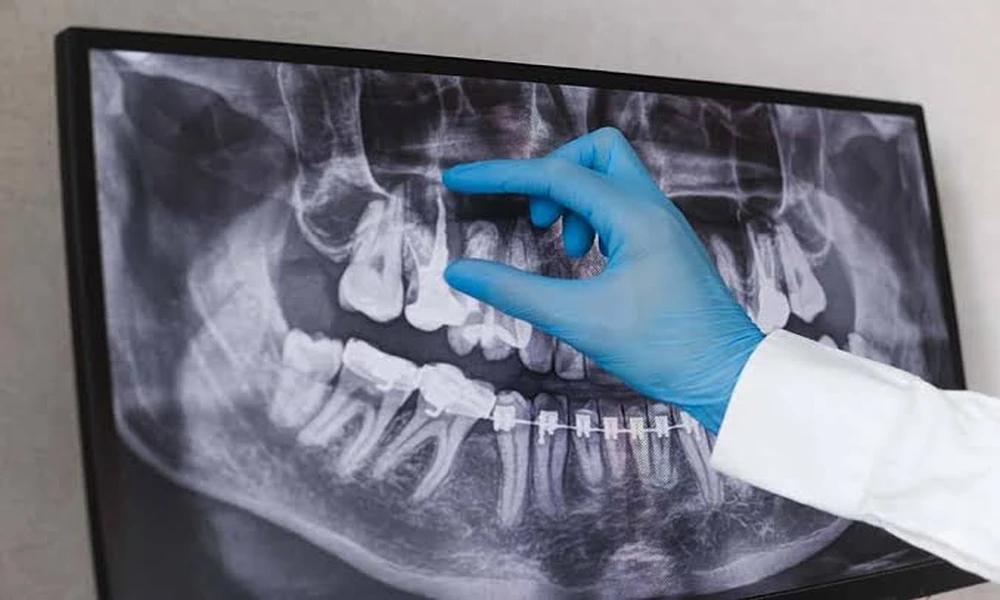
Treatment starts before any drilling. The dentist checks how the tooth reacts to cold, tapping and pressure, and takes radiographs to see the roots and the bone around them. For a straightforward front tooth, one image may tell the whole story. A back tooth with overlapping roots can need several angles, and occasionally a 3D scan, to map where the canals actually run. Ask whether these diagnostic steps are billed within the treatment fee or as separate items.
Stage Two: Getting Into the Tooth
Next comes access, which means opening a small window through the crown to reach the pulp chamber. At the front of the mouth this is quick and the view is direct. Further back, the dentist works around the cheek and tongue, often viewing the tooth in a mirror. An existing crown or large filling may have to be cut through or removed first. Each obstacle adds minutes, and with molars those minutes add up.
Stage Three: Locating Every Canal
This is where the gap between teeth widens most. Every canal must be found, because a single missed channel can leave bacteria behind and cause the treatment to fail later. Typical counts look like this:
- Incisors and canines: usually one canal
- Premolars: one or two, sometimes with a hidden split
- Lower molars: commonly three, sometimes four
- Upper molars: three or four, with one that is notoriously tiny
Narrow or calcified canals in older teeth can take a long time to locate, sometimes under a dental microscope.
Stage Four: Cleaning and Shaping
Once found, each canal is measured, then widened with fine files and flushed repeatedly with disinfecting solutions. A straight canal can be shaped steadily. A curved one needs smaller steps and more care, because a file pushed too hard can break or create a ledge. Multiply that slow, careful work across three or four canals and the difference between a front tooth and a molar becomes obvious in the appointment book, and in the bill.
Stage Five: Deciding Whether to Pause
Some teeth can be cleaned and sealed in one sitting. Others are too inflamed, or still leaking infection, to close immediately. In those cases the dentist places an antibacterial dressing inside the tooth and books a second visit, sometimes a third. Extra visits are one of the commonest reasons a final total sits above the first estimate, so it is worth asking early how likely they are for your tooth and how they are charged within root canal cost singapore estimates.
Stage Six: Sealing the Canals
The cleaned canals are filled with a rubber-like material and a sealing paste so that bacteria cannot recolonise them. The more canals there are, the more of this careful filling is needed, and each one is checked on a radiograph. A temporary filling then closes the access window until the permanent restoration is placed.
Stage Seven: Protecting What Is Left
A tooth that has had a root canal is hollowed out and becomes more brittle. Back teeth take heavy biting forces, so a crown is usually advised to stop them splitting. Front teeth often need only a filling. Because the crown is a separate piece of work, it is normally quoted separately too. When comparing options, add both together; a quote that looks low may simply leave the crown out.
When the Job Is Harder Than Usual
Some situations raise the cost whatever the tooth type, because they add time or uncertainty:
- Retreating a tooth whose earlier root canal has failed
- Removing an old post or broken instrument from a canal
- Working around a crack that may limit how long the tooth lasts
- Referral to an endodontist, a dentist with specialist training in this treatment
None of these means the treatment is unwise, but each should be explained to you with its likely outcome before you agree to proceed.
Weighing Cost Against Keeping the Tooth
Root canal treatment is generally not claimable under Medisave, so most patients fund it from savings, insurance or employer dental benefits, whose limits are worth checking in advance. It also helps to look at the alternative. Removing the tooth is cheaper on the day, but replacing it with an implant or bridge usually costs more overall and takes longer. Leaving the gap can let neighbouring teeth drift over the years.
Turning an Estimate Into a Plan
Ask the dentist to explain the estimate in terms of the stages above: how many canals they expect, how many visits, whether imaging and the crown are included, and what could change the figure once the tooth is open. With those answers you can compare like with like, and a proper assessment at a clinic offering root canal treatment in Singapore will tell you whether the tooth is worth saving and what that will realistically cost.
