
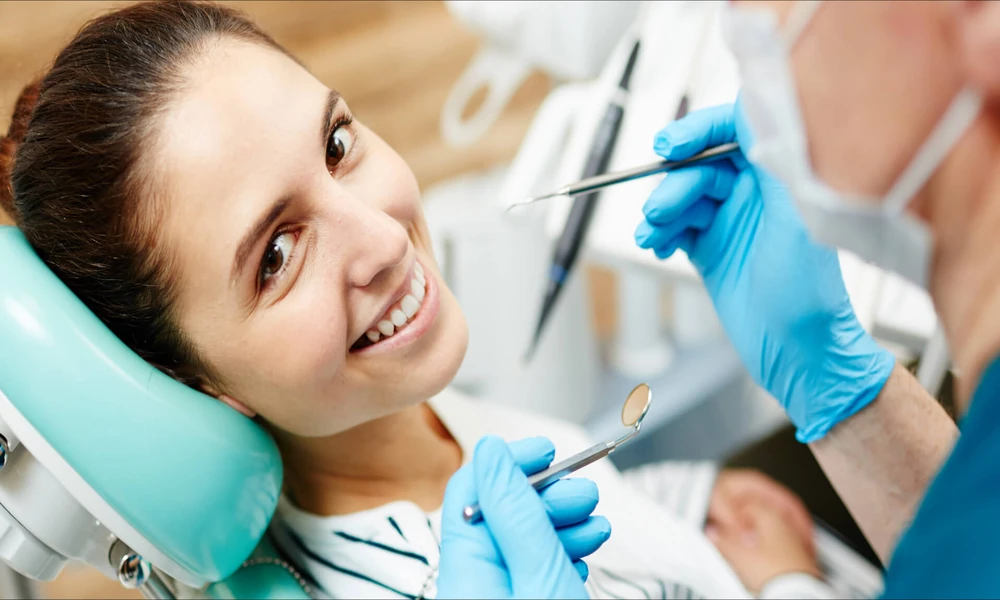
You sort the candy, promise yourself you will keep it reasonable, and then the week gets away from you. A few extra treats slip into lunchboxes, sticky candy shows up after dinner, and now the dental checkup after Halloween is on the calendar at Children’s Dental FunZone pediatric dentistry in Chino. If you are feeling a little defensive before anyone has even looked in your child’s mouth, that feeling makes sense. Most parents are not struggling because they do not care. They are juggling traditions, excitement, routines, and a child who suddenly has a pillowcase full of sugar.
The goal is not perfection, and it is not shame. A good visit with a pediatric dentist should help you look at candy habits honestly, lower the risk of cavities, and make a plan your family can actually follow. Halloween candy is not the whole story. Frequency, timing, brushing habits, and what your child drinks through the day often matter just as much.
Halloween candy habits affect teeth more through routine than through one night
One big candy night rarely causes a cavity by itself. The trouble starts when Halloween stretches into two or three weeks of constant grazing. Teeth spend more time bathed in sugar, mouth bacteria feed on it, and acid gets repeated chances to wear down enamel. The National Institutes of Health explains that tooth decay develops when bacteria use sugars and starches to make acids that damage teeth. That process is ordinary, which is exactly why it catches families off guard.
You may hear yourself saying, “It is only one fun season,” but then you notice your child sneaking a lollipop in the car, eating gummies after soccer, or falling asleep once or twice without a full brush. That is usually the real issue. It is less about blame and more about pattern. A post Halloween dental visit can uncover those patterns before they turn into pain, fillings, or a child who starts fearing the dentist because every appointment feels like bad news.
Some candies are tougher on teeth than others. Sticky candies cling to grooves and between teeth. Sour candies add acid on top of sugar. Hard candies sit in the mouth for a long time, feeding bacteria longer. If your child also sips juice or sports drinks through the day, the sugar exposure keeps going even after the candy is gone. The CDC offers practical oral health tips for children that reinforce simple habits like brushing with fluoride toothpaste and drinking water more often.
A pediatric dentist can talk about candy without making your child feel blamed
Children hear tone before they hear advice. If the visit turns into a lecture, they often shut down. If it becomes a conversation, they usually engage. A pediatric dentist is trained to read that difference. Instead of “You ate too much candy,” the better message is “Your teeth need longer breaks from sugar, and we can fix that.” That small shift matters.
Parents feel the same pressure. You may worry that admitting your child has been eating candy every day means you failed. It does not. Honest details help the dentist give useful guidance. If your child only brushes at night, that matters. If candy is being used as a reward after school, that matters too. If your child has braces, deep grooves, dry mouth, or a history of cavities, the plan may need to be tighter than it would for another child.
This is where pediatric dentist care helps. The conversation can stay practical. Which candies are least likely to stick. Whether it is better to allow one treat after dinner instead of random snacking. Whether fluoride varnish or sealants make sense. MedlinePlus also notes that tooth decay can often be prevented with good oral hygiene, fluoride, and diet changes. That is good news because prevention usually grows out of small repeatable choices, not strict rules no one can keep.
The best candy rules are realistic enough to survive real life
Families usually run into trouble when the plan is too loose or too strict. Too loose means free access all day, and too strict often leads to sneaking and power struggles. A middle ground works better. Keep candy to a set time, serve it with a meal or right after one, and offer water afterward. Saliva flow rises during meals, which helps wash away food and neutralize acid.
If your child says, “But my friends get candy whenever they want,” you do not need a perfect speech. You can keep it short. Candy is okay sometimes. Teeth need breaks. We are not banning it, we are timing it. That kind of calm consistency often lands better than a long explanation.
Common Halloween candy habits and their dental impact
| Habit | Lower Risk Choice | Higher Risk Choice | Why It Matters |
|---|---|---|---|
| When candy is eaten | Right after a meal | Frequent snacking through the day | Repeated sugar exposure gives cavity causing bacteria more chances to make acid |
| Type of candy | Chocolate that clears quickly | Sticky gummies, caramel, sour candy | Sticky and sour candies cling longer and can add acid |
| What your child drinks | Water | Juice, soda, sports drinks | Sugary drinks extend exposure beyond the candy itself |
| After treat routine | Rinse with water, brush at bedtime | No brushing before sleep | Overnight sugar and plaque increase decay risk |
Small changes after Halloween can protect teeth all year
Set a candy window. Pick one time each day for treats, ideally after dinner or another meal. Put the rest out of sight. This reduces random grazing, which is often the habit doing the most damage.
Upgrade the bedtime routine. If brushing has been rushed, tighten it up now. Use fluoride toothpaste, supervise if your child is young, and floss where teeth touch. The candy matters less when the cleaning routine is strong and consistent.
Use the dental checkup as a reset, not a reckoning. Bring a simple summary of what has been happening. More gummies than usual. More skipped brushing on busy nights. More juice at school lunches. A pediatric dental care visit works best when the advice matches real life.
Halloween does not ruin a child’s teeth, and one season of candy does not make you careless. It usually just reveals where routines got stretched. That is fixable. A thoughtful checkup can turn guilt into a plan, help your child feel safe, and keep small habits from becoming bigger dental problems later.
If candy habits have drifted more than you wanted, schedule a visit with a pediatric dentist and use it as a fresh start. A calm conversation now can save your child discomfort, and save you a lot of second guessing.

Melanie C. Flores is a health and wellness writer who focuses on nutrition, preventive care, and healthy living. She shares evidence-informed guidance that encourages readers to build sustainable wellness habits and make informed lifestyle choices.