
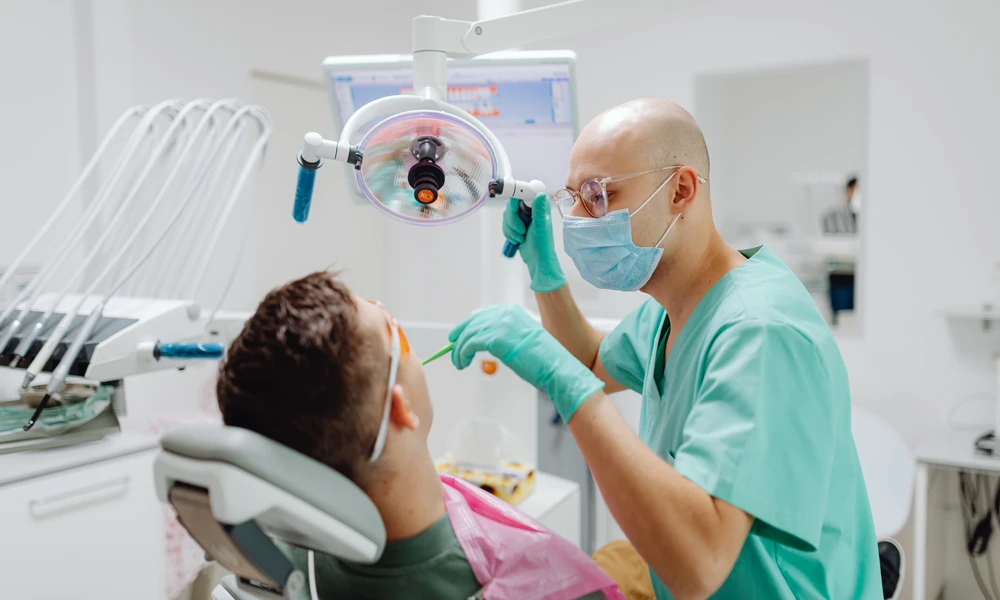
You might think of dental visits as one more thing to fit into a busy week, especially if nothing hurts and life already feels full. That is a common place to be. Many people put off routine care because the mouth can seem separate from the rest of the body, until a toothache, bleeding gums, or trouble chewing starts to affect sleep, meals, and even mood. The good news is that 5 Ways General Dentistry Contributes To Overall Wellness can be easier to understand than you might expect, especially when you find a trusted family dentist in Sunnyvale. In simple terms, regular dental care helps lower the risk of bigger oral problems, supports whole body health, catches issues early, protects daily comfort, and helps you keep habits that last.
How does a healthy mouth shape your whole body health?
When your mouth is not healthy, the effects do not always stay in your mouth. Gum disease, untreated decay, and oral infections can add stress to the body, and they can make it harder to manage other health concerns. According to the National Institute of Dental and Craniofacial Research, oral health and overall health are closely linked. That matters because a small issue, like inflamed gums, can become part of a larger pattern that affects how you feel day to day.
So, where does that leave you? It means a routine visit to a general dentist is not just about cleaning teeth. It is also about checking for signs that something is off, helping reduce inflammation, and giving you a clearer picture of your health. If you have ever felt tired of treating problems only after they get worse, this is one of the strongest reasons to stay consistent with dental care.
Why can preventive dental care save you stress, pain, and money?
Most oral problems do not begin as emergencies. A small cavity can often be treated simply. Mild gum irritation can often improve with better home care and professional support. But when these issues are ignored, they tend to grow. Pain gets sharper, treatment gets more involved, and the cost often rises with it.
The Centers for Disease Control and Prevention shares oral health facts and statistics showing just how common cavities and gum disease are. That is worth pausing on, because common does not mean harmless. If you have ever tried to work, eat, or sleep with dental pain, you already know how quickly a “small” problem can take over your day.
This is one of the clearest examples of how routine dental care and wellness fit together. Preventive visits often help you avoid the cycle of delay, discomfort, and bigger treatment later. Even if you feel fine now, prevention tends to be kinder than repair.
Can general dentistry improve comfort, nutrition, and daily energy?
You use your mouth all day without thinking much about it, until something feels wrong. Chewing becomes one sided. Cold drinks sting. A sore tooth makes you avoid certain foods. Over time, those small adjustments can affect nutrition and comfort more than people realize.
When your teeth and gums are in good shape, eating is easier and more enjoyable. You are more likely to chew well, choose a wider range of foods, and avoid the stress that comes with pain or sensitivity. That may sound simple, but simple things matter. Better comfort during meals can support better food choices, and better food choices can support the rest of your health.
What about energy and confidence? They matter too. Ongoing oral discomfort can wear you down, and concerns about breath, appearance, or soreness can make social moments feel harder than they should. Oral health and wellness are connected in ways that show up at work, at home, and in quiet moments you would rather not spend thinking about your teeth.
What does prevention look like in real life?
Prevention is not complicated, but it does need consistency. The CDC outlines key steps for preventing oral disease, including brushing with fluoride toothpaste, cleaning between teeth, eating a balanced diet, and getting regular dental care. These habits work best together. Home care does a lot, and professional care fills in the gaps by removing buildup, checking for early warning signs, and guiding you before a problem turns serious.
| Approach | What It Looks Like | Likely Outcome |
|---|---|---|
| Wait until something hurts | Skipping checkups, treating pain only when it starts | Higher chance of larger cavities, gum problems, urgent visits, and more costly treatment |
| Preventive general dental care | Regular exams, cleanings, x-rays when needed, home care guidance | Better chance of early detection, less discomfort, steadier oral health, and fewer surprises |
| Home care alone | Brushing and flossing without professional monitoring | Helpful, but early decay, gum disease, or bite issues may still go unnoticed |
What are 3 steps you can take right now?
1. Take stock of small warning signs. Notice bleeding when you brush, sensitivity, bad breath that lingers, jaw soreness, or food getting stuck in the same spot. These may seem minor, but they are often early clues that deserve attention.
2. Tighten up your daily routine. Brush twice a day with fluoride toothpaste, clean between your teeth once a day, and be mindful of frequent sugary snacks or drinks. You do not need a perfect routine. You need one you can actually keep.
3. Schedule preventive care before there is a crisis. A routine visit gives you a chance to catch problems early, ask questions, and get clear next steps. That is often the easiest way to protect both your oral health and your peace of mind.
What can you take from these 5 ways general dentistry supports wellness?
If you have been putting dental care off, you are not alone, and you are not failing. Life gets busy, and it is easy to treat oral health as separate from everything else. But the truth is simpler and more encouraging than that. General dentistry supports your overall wellness by connecting mouth health to body health, preventing avoidable problems, protecting comfort, supporting nutrition, and building habits that help you feel better over time.
You do not have to wait for pain to tell you it is time. A steady relationship with a general dentist can help you stay ahead of problems and feel more in control of your health, one practical step at a time.

Melanie C. Flores is a health and wellness writer who focuses on nutrition, preventive care, and healthy living. She shares evidence-informed guidance that encourages readers to build sustainable wellness habits and make informed lifestyle choices.