
You may have noticed your teeth looking a little duller, feeling more sensitive, or seeming shorter than they used to. A lot of people brush that off for months, sometimes years, because enamel wear does not always start with pain. It often starts quietly, with small changes that are easy to miss when you see your own smile every day. If you are looking for comprehensive dental care in Green Bay, paying attention to these early signs can help you protect your smile before the damage worsens.
That is where a general dentist helps. How General Dentists Identify Early Signs Of Enamel Wear comes down to careful exams, a close look at bite patterns, and attention to habits that slowly wear teeth down. The earlier enamel erosion is found, the better chance you have of slowing it before it turns into cracking, deep sensitivity, or expensive repairs.
General dentists spot enamel erosion by reading small changes in your teeth
Enamel is the hard outer layer of your teeth, but it is not indestructible. Acids from food, reflux, and dry mouth can soften it. Grinding and clenching can wear it away through force. Even aggressive brushing can roughen and thin the surface over time.
A general dentist does not look for just one sign. They look for a pattern. Teeth may appear flatter on the edges, more yellow as the dentin underneath shows through, or shinier in spots where the surface has been worn smooth. Small chips near the biting edges, tiny cupping marks on chewing surfaces, and new temperature sensitivity can all point to early wear.
You might think, “My teeth still work, so how bad can it be?” That is often the trap. Early enamel loss rarely stops on its own. Once enamel is gone, your body does not grow it back. Dentists focus on catching the process early enough to protect what remains.
Early enamel wear often connects to grinding, acid exposure, and daily habits
One of the first things a dentist considers is cause. If the reason is missed, the damage keeps going even after treatment. Night grinding is a common example. Many people clench in their sleep and have no idea until a dentist sees the wear pattern. The National Institute of Dental and Craniofacial Research explains common signs and causes of bruxism, or teeth grinding, which often shows up as flattened biting surfaces, jaw soreness, and chipped enamel.
Acid is another major factor. Frequent soda, sports drinks, citrus, vomiting, or reflux can soften enamel day after day. A dentist may notice wear on the inside surfaces of teeth, which can point to stomach acid rather than brushing habits. Dry mouth also matters because saliva helps neutralize acid. When saliva drops, enamel loses one of its main defenses.
Habits that seem harmless can add up. Sipping acidic drinks over hours, brushing right after acid exposure, chewing ice, or using whitening products too often can all push enamel in the wrong direction. A dentist connects those details with what they see in your mouth. That is a big part of early enamel wear detection.
Dental exams for enamel wear rely on both visual clues and history
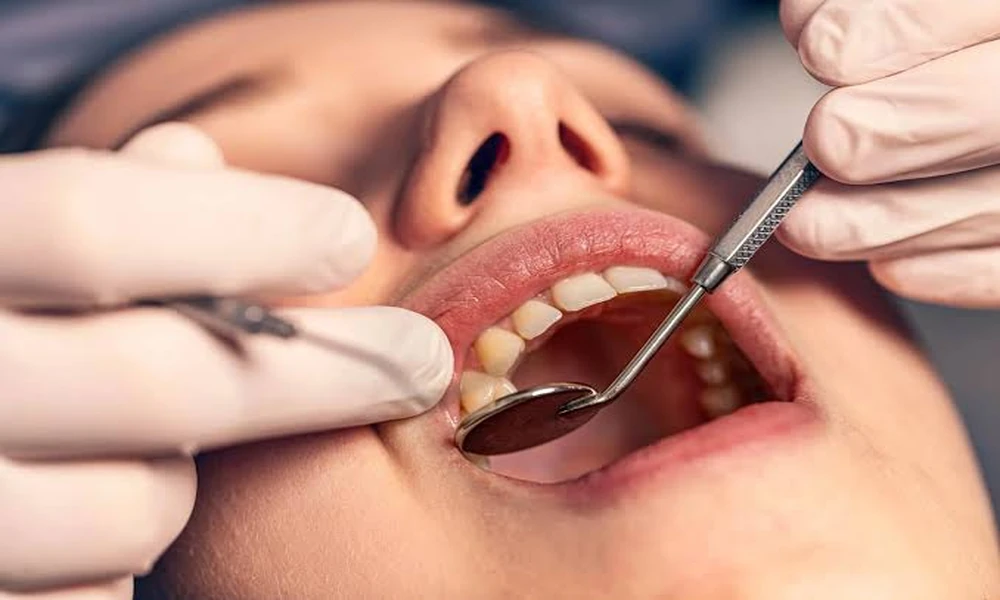
General dentists identify enamel wear by combining what they see with what you report. During an exam, they may check for changes in tooth shape, edge translucency, rough spots, exposed dentin, gum recession, and bite alignment. They also compare current findings with older records or images when available. A small change in contour over time can say a lot.
X-rays are sometimes useful, though early enamel loss is often diagnosed clinically before it is obvious on imaging. Photos, study models, or digital scans can help track progression. If one area worsens from visit to visit, that tells your dentist the wear is active, not just old damage.
This matters beyond comfort. According to the Oral Health in America report, oral conditions can affect eating, speaking, sleep, and quality of life. Enamel wear may start as a cosmetic concern, then become a functional one when chewing becomes uncomfortable or teeth begin to fracture.
At home signs and professional findings do not carry the same weight
| What You Notice at Home | What a General Dentist Can Confirm | Why It Matters |
|---|---|---|
| Cold sensitivity | Whether sensitivity comes from enamel loss, decay, recession, or cracks | Treatment depends on the real cause |
| Teeth look shorter or flatter | Specific wear pattern from grinding, acid, or bite imbalance | Stops the source, not just the symptom |
| Yellowing teeth | Whether thinning enamel is exposing dentin | Helps prevent further structural loss |
| Small chips | If chips are isolated damage or part of ongoing enamel wear | Shows whether protection like a night guard is needed |
| No pain at all | Silent wear detected during routine dental care | Early action is usually simpler and less costly |
People often wait for pain before booking a visit. Enamel wear does not always give that warning. By the time it hurts, the damage is usually deeper and harder to manage conservatively.
Three steps you can take right away to protect enamel
Track the patterns. Pay attention to sensitivity, jaw soreness when you wake up, teeth that seem sharper or shorter, and drinks or foods that trigger discomfort. If you grind, clench, or deal with reflux, mention it directly. Those details help a dentist connect the dots faster.
Reduce daily enamel stress. Limit frequent acidic sipping, rinse with water after acidic foods or drinks, and wait about 30 minutes before brushing if acid exposure just happened. Use a soft toothbrush and a fluoride toothpaste. If you wake with jaw tension, ask about grinding instead of assuming it is stress you just have to live with.
Schedule a routine dental exam before symptoms get louder. A general dentist can document wear, look at your bite, and recommend next steps such as fluoride treatments, bonding, a night guard, or changes to your home care. That is often the difference between monitoring a small issue and rebuilding damaged teeth later.
Early enamel wear is easier to manage when it is found early
If your teeth have felt different and you have been trying to ignore it, you are not overreacting. Small changes in enamel can signal a larger pattern, and those patterns are exactly what a general dentist is trained to catch. Early care can protect comfort, appearance, and the strength of your teeth for years to come.
Schedule a visit with a general dentist if you have noticed sensitivity, flattening, or chipping. Getting answers early gives you more options and less damage to undo.
