
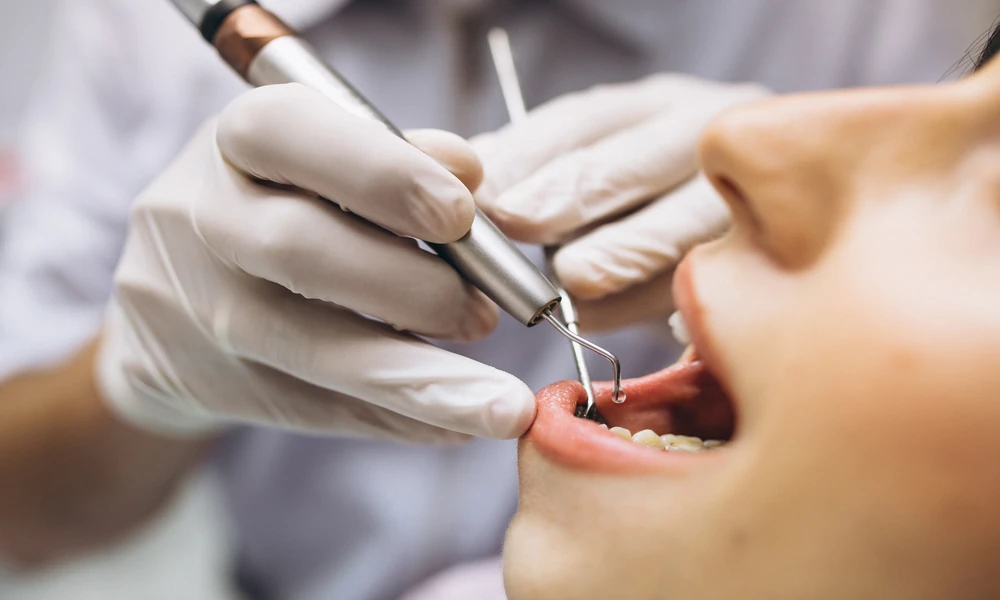
You usually do not think about trust when you book a dental cleaning. You think about time, cost, whether anything will hurt, and whether you will hear bad news. That is the real starting point for most people. Preventive visits can feel routine on paper, but for patients they often carry quiet stress. You are sitting in a chair, someone is looking closely at your health, and you are hoping to feel respected, informed, and not judged, especially when seeking personalized dental treatment in Tustin, CA.
That is why the role of preventive visits in building patient trust matters so much. Regular checkups are not just about plaque, X rays, or catching a cavity early. They create repeated moments where a general dentist can prove that your comfort matters, your concerns are heard, and your care is not being driven by pressure. Trust rarely appears in one big moment. It grows through small, steady experiences that feel safe and honest.
Preventive dental visits create trust through consistency
When care only happens in an emergency, the relationship starts under pressure. You are in pain, you need fast answers, and every recommendation can feel expensive and urgent. That setting makes it harder to sort out what is necessary now, what can wait, and whether you are being guided or sold to.
Preventive visits change that. They give you a lower stress setting where conversations are clearer. A dentist can track changes over time, explain what is normal for you, and flag small concerns before they become painful or costly. You get to see whether the office follows through, whether explanations make sense, and whether your questions are answered with patience. That is how preventive care and patient trust connect in real life.
A patient who comes in every six months may hear, “This spot has not changed, so we will keep watching it.” That kind of restraint matters. It tells you your dentist is paying attention, not rushing to treatment. Another patient may hear, “This area is starting to weaken, and fixing it now is simpler than waiting until it cracks.” That kind of early guidance matters too. It shows your provider is not ignoring problems until they become bigger and more expensive.
Trust grows when preventive care reduces fear and surprise
Fear often comes from surprise. Surprise pain. Surprise bills. Surprise treatment plans loaded with unfamiliar terms. Preventive appointments reduce that by making care more predictable. You know the office, the team, the process, and your own dental history. Familiarity lowers the temperature.
That emotional side is not minor. It affects whether people come back, whether they speak up, and whether they follow through. Research on trust in healthcare shows that trust supports communication, continuity, and engagement in care. You can read more in this review of trust in healthcare relationships. In a dental setting, that can mean the difference between a patient hiding sensitivity for months and a patient saying, “Something feels off when I chew on the left side.”
Trust also grows when preventive care is transparent about coverage and purpose. In medicine, even a wellness visit has to be explained clearly so patients understand what is preventive and what may lead to other charges. Medicare lays out that distinction in its guidance on the annual wellness visit. Dentistry has the same basic lesson. Patients trust providers who explain what today’s visit covers, what they are checking for, and what could come next if a concern appears.
Preventive visits help a general dentist earn confidence over time
A general dentist often becomes one of the healthcare professionals you see most regularly. That creates an unusual opportunity. Instead of meeting only when something is wrong, you build a record of ordinary interactions. The hygienist remembers that your gums tend to bleed in one area. The dentist remembers that you clench your teeth during stressful periods. The front desk knows you want cost estimates before scheduling treatment. None of that feels dramatic, but it makes care feel personal instead of generic.
People notice the opposite too. If every visit feels rushed, if new concerns are brushed off, or if treatment plans appear without context, trust weakens fast. Patients may delay care, seek second opinions, or stop going altogether. Then a small issue turns into a crown, an extraction, or a sleepless weekend.
Preventive dental care lowers long term strain
Trust is emotional, but it also has a practical side. When preventive care works well, you avoid some of the financial and physical strain that comes with delayed treatment. You are less likely to be cornered into urgent decisions while in pain. You have more time to ask questions, compare options, and plan for costs.
| Care Pattern | What the Patient Often Experiences | Effect on Trust |
|---|---|---|
| Regular preventive visits | Gradual monitoring, early explanations, fewer surprises, smaller treatments | Trust tends to grow because care feels consistent and transparent |
| Emergency only visits | Pain driven decisions, limited history, urgent costs, high stress recommendations | Trust is harder to build because everything feels rushed |
| Irregular checkups | Gaps in records, unclear changes over time, more uncertainty about treatment needs | Trust may stay fragile because there is less continuity |
Preventive patient visits do not guarantee perfect health or perfect experiences. They do give you better odds of steady care, clearer communication, and fewer moments where you feel blindsided.
Small actions make preventive visits more useful
1. Bring up one concern early.
If you wait until the end of the appointment, the answer may feel rushed. Start with the thing that has been bothering you most. Sensitivity, jaw tension, bleeding, embarrassment about avoiding care, all of it counts. Direct concerns lead to direct answers.
2. Ask what is being watched over time.
This question tells you a lot about the quality of your care. A good answer should be specific. You should hear what area they are tracking, what changes would matter, and when treatment might be needed. That kind of explanation turns a routine visit into a real partnership.
3. Request clear next steps in plain language.
If something needs follow up, ask for the reason, the timing, and the likely cost range. You do not need polished jargon. You need clarity. Patients trust care they can understand.
Patient trust is built before treatment is ever needed
Most people do not want more time in a dental chair. They want fewer problems, fewer surprises, and a provider who treats them like a person instead of a procedure. Preventive visits are where that relationship starts taking shape. Each routine checkup is a chance to build familiarity, prove honesty, and make future decisions less stressful. When trust is there, care gets easier to face.
If you have been putting off routine dental care, start with a preventive visit and pay attention to how the office communicates. The right general dentist will not just check your teeth. They will help you feel informed enough to come back.

Clare Louise is a health and lifestyle writer who focuses on wellness habits, nutrition trends, and balanced living. She creates informative content that helps readers make smarter health and lifestyle choices.