
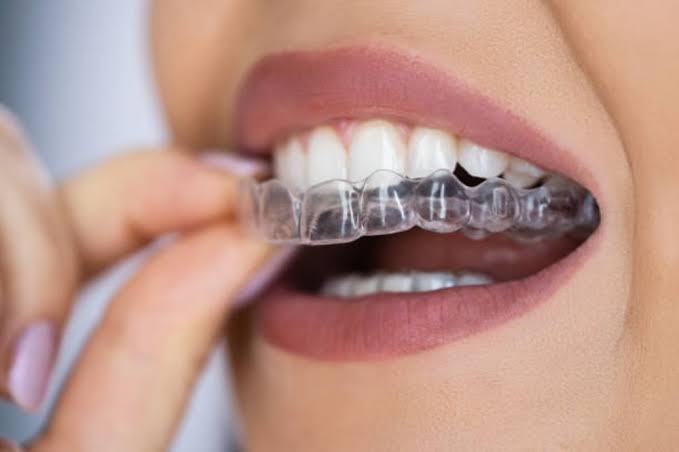
One of the most common questions patients ask before starting Invisalign treatment is how long the process will take. While some people complete treatment within several months, others may require more time to achieve their desired results.
The truth is that Invisalign timelines can vary significantly from person to person. Factors such as tooth alignment, treatment goals, oral health, and patient compliance all play a role in determining how quickly teeth move.
Understanding what affects treatment duration can help patients set realistic expectations and stay motivated throughout the process.
How Invisalign Works
Invisalign uses a series of clear, removable aligners designed to gradually shift teeth into improved alignment. Each set of aligners is custom-made based on a digital treatment plan developed by a dental professional.
Patients typically wear each aligner set for one to two weeks before progressing to the next stage. Over time, these small adjustments contribute to noticeable changes in tooth positioning and bite alignment.
Because every smile is different, treatment timelines are personalized according to individual needs.
The Complexity of Tooth Movement Matters
One of the biggest factors affecting Invisalign treatment length is the complexity of the orthodontic issue being corrected.
Minor spacing concerns or mild crowding may require fewer aligners and shorter treatment times. More advanced cases involving significant bite issues, rotated teeth, or severe crowding often take longer.
Common factors that may extend treatment include:
- Overbites or underbites
- Crossbites
- Significant crowding
- Large spacing issues
- Teeth requiring rotation
- Multiple areas of correction
Patients with more complex orthodontic concerns may need additional aligners or refinement stages before treatment is complete.
Wearing Aligners Consistently Is Essential
Patient compliance has a major impact on Invisalign progress.
For Invisalign to work effectively, aligners are generally recommended to be worn for 20 to 22 hours per day. Removing them too frequently or failing to wear them consistently can slow tooth movement and delay results.
Aligners should typically only be removed for:
- Eating
- Drinking beverages other than water
- Brushing
- Flossing
Even small interruptions in wear time can affect how properly the aligners fit, potentially extending the overall treatment timeline.
Age Can Influence Tooth Movement
Orthodontic treatment is effective for both teenagers and adults, but age can influence how teeth respond to movement.
Younger patients may sometimes experience slightly faster tooth movement because their bone structures are still developing. In adults, teeth can still move predictably, though treatment may occasionally progress more gradually depending on bone density and oral health conditions.
That said, many adults successfully complete Invisalign treatment within expected timelines when they follow their treatment instructions carefully.
Oral Health Plays an Important Role
Healthy gums and teeth provide a stronger foundation for orthodontic treatment.
Patients with untreated gum disease, active decay, or other oral health concerns may need preliminary dental care before beginning Invisalign treatment. In some situations, oral health issues discovered during treatment can also slow progress temporarily.
Maintaining good oral hygiene during Invisalign treatment helps support healthier gums and more predictable tooth movement.
Refinements Are Sometimes Needed
Some patients require refinement aligners after completing their initial trays.
Refinements are additional aligners used to make smaller adjustments if certain teeth have not moved exactly as planned. This is a relatively common part of Invisalign treatment and does not necessarily indicate a problem.
Factors such as inconsistent wear, complex tooth movement, or natural biological variation may contribute to the need for refinements.
Patients exploring clear aligner treatment often seek professional guidance from clinics offering Invisalign in Cambridge to better understand expected timelines and individualized treatment planning.
Attachments and Additional Procedures May Affect Timing
In some cases, Invisalign treatment may involve small tooth-colored attachments bonded to the teeth. These attachments help guide more precise tooth movements.
Additional procedures such as enamel shaping or tooth extractions may also influence the overall timeline, depending on the complexity of the case.
Every treatment plan is customized, which is why consultation and digital imaging are important parts of the planning process.
Why Patience and Consistency Matter
Orthodontic treatment is a gradual biological process. While it can be tempting to focus only on the final result, consistent habits during treatment often contribute significantly to long-term success.
Patients who attend scheduled appointments, follow aligner instructions carefully, and maintain strong oral hygiene habits are generally more likely to stay on track with their projected treatment timelines.
FAQs
How long does Invisalign treatment usually take?
Treatment timelines vary, but many patients complete Invisalign treatment within 6 to 18 months depending on the complexity of their case.
Can Invisalign work faster than braces?
In some mild to moderate cases, Invisalign may achieve results in a similar or shorter timeframe compared to traditional braces. Treatment length depends on the specific orthodontic needs.
What happens if I don’t wear my aligners enough?
Not wearing aligners consistently can delay tooth movement and may extend the overall treatment timeline.
Are refinement trays normal during Invisalign treatment?
Yes. Refinement aligners are relatively common and help fine-tune tooth positioning after the initial treatment phase.
Does age affect Invisalign treatment speed?
Age can influence tooth movement slightly, but adults can still achieve effective Invisalign results with proper compliance and oral care.
Patients considering clear aligner treatment should schedule a professional dental consultation at Cambridge Centre Dental Care to better understand their orthodontic needs, estimated treatment timeline, and available options for improving smile alignment.
